Map in Hand, Miles in Legs: Making Sense of a Day-Trip Step Count
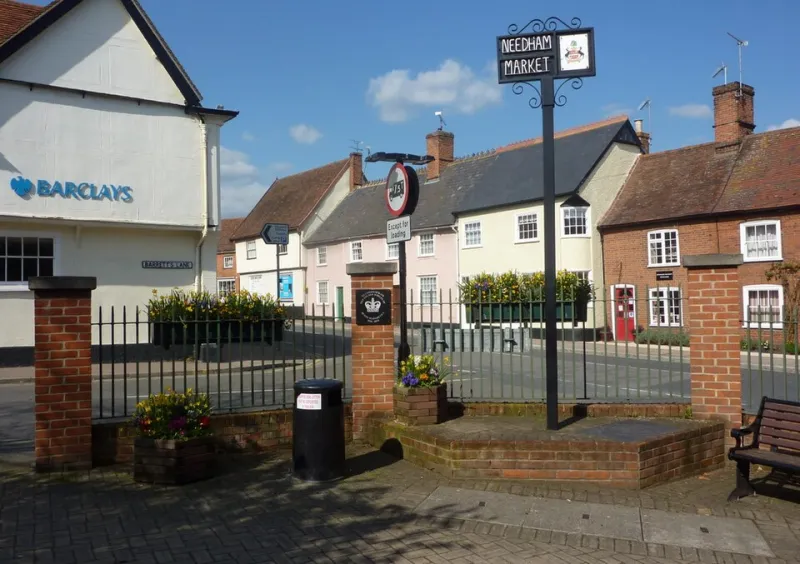
Photo: Andrew Hill , CC BY-SA 2.0, via Wikimedia Commons
There is a particular kind of tiredness that follows a day out in a town you do not know. You have pottered about, stopped for a coffee, mooched through a couple of charity shops and maybe walked a canal towpath or a seafront promenade. Nothing about it felt like exercise. Then you glance at your pedometer and discover you have somehow logged 16,000 steps before teatime.
Your legs, meanwhile, are filing a complaint. They feel as though they have done closer to 25,000. The step count is not wrong, exactly, but it is also not the full story. An unfamiliar high street asks more of you than a familiar one, and a day-trip step count deserves to be read with a little more care than the raw number on the screen.
Why strange streets feel heavier
When you walk your usual route, your brain is largely on autopilot. You know where the kerbs are, which pavement dips near the bus stop, and that the shortcut behind the market is worth taking. In a new town, all of that local knowledge has to be built from scratch, in real time.
That means more stopping, more scanning, more small changes of direction. You pause to check a map on your phone. You double back because the shop you wanted is actually on the other side of the pedestrianised bit. You step around a pavement sign, then a buggy, then a delivery bike. None of this produces a huge number of extra steps, but it does produce a stop-start kind of walking that can leave you more drained than a steady mile along a familiar footpath.
Uneven surfaces add another layer. Old high streets are full of wonky paving slabs, cobbled patches, kerbs that arrive without warning and slopes that would not register on a map but certainly register in your calves. Your pedometer counts footfalls. It does not count the extra effort of placing each footfall carefully.
The count is honest, but it is not the whole invoice
A pedometer is a very literal little thing. It notices movement, usually at the wrist or hip, and turns that movement into a number. It does not know whether you were striding confidently along a flat promenade or shuffling through a crowded market with a tote bag digging into your shoulder.
That is why a tourist walk can feel disproportionately tiring. The step total might be similar to a decent weekend walk at home, but the composition of those steps is different. There are more pauses. More lateral shuffles. More standing about while deciding where to go next. More detours into shops that turn out to be smaller than expected, followed by a longer walk to the one that actually sells what you wanted.
Novelty also makes walking feel more effortful because you are paying attention. That is part of the pleasure of a day out, of course. But it is worth remembering that your body is doing two jobs at once: moving and navigating. A pedometer only ever measures the first one.
What a day out does differently
Think about the ingredients of a typical British day trip. You might arrive by bus or train, which means a walk to the station, a walk through an unfamiliar car park, and a wander around a high street that has a slightly different rhythm from home. You might visit a market, a museum, a park or a National Trust property. You might carry a coat, a water bottle and a bag of shopping that gets heavier as the afternoon goes on.
Then there is the footwear question. Trainers that are fine for a 20-minute commute can start to feel less clever after three hours of stop-start pavement walking. Weather matters too. A damp, chilly afternoon can make you walk more briskly between stops, then stand still longer once you are inside. The result is a spiky sort of day: short bursts of steps, long pauses, and a total that can look impressive without feeling especially smooth.
How to compare a one-off walk with your normal baseline
If you want to make sense of a day-trip step count, resist the urge to treat it as a new personal best or a warning sign. Instead, compare it fairly with your usual walking week.
Start with time on feet. A day out often involves more total hours of gentle movement than a normal weekday, even if the pace is hardly Olympic. Next, look at the hourly breakdown on your pedometer or phone. You may see a very different pattern from your usual commute: a slow morning, a busy middle, a tired late-afternoon dip. That pattern tells you more about the effort than the final total alone.
It also helps to note the conditions. Were you on cobbles? Carrying shopping? Wearing a coat? Walking in a town with more hills than you expected? A few words in your notes app will make far more sense later than a bare number. If you use a step-count app, add a simple label such as 'day out, new town, lots of standing'. Your future self will thank you.
Finally, give yourself a recovery day. A one-off tourist spike is not a training plan. If your legs are grumbling the next morning, a shorter, flatter walk is a smarter response than trying to match the previous day's total. The point of tracking is to understand your movement, not to turn every day out into a competition with your own wrist.
The takeaway
A high step count after a day in a strange town is not a mystery. It is the result of novelty, navigation, uneven pavements, shop detours and a lot of happy pottering. Your pedometer has done its job by noticing the movement. The useful next step is to notice the context.
A familiar walk and a tourist walk are not the same thing, even when the numbers look similar. Treat the day-trip spike as interesting data, not a benchmark. Enjoy the day out, bank the steps, and let your everyday baseline be the thing you actually train against.