Cobbles, Drizzle and Bus Stops: Pedometer vs Phone Step Tracking in 2026
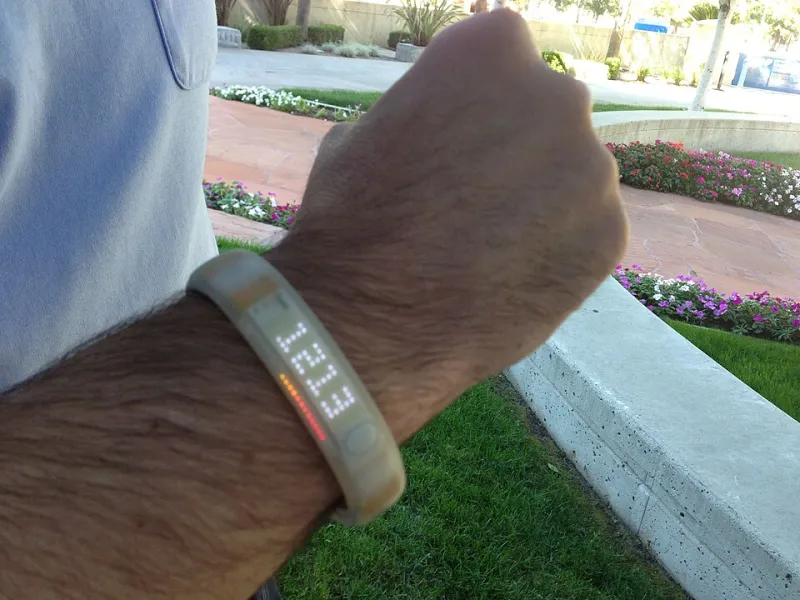
Photo: Intel Free Press, CC BY-SA 2.0, via Wikimedia Commons
Step counting sounds like a solved problem until you try to compare a dedicated pedometer with a phone on a rainy British high street. One device is clipped to a waistband; the other is buried in a coat pocket, swinging in a tote bag or sitting in a rucksack while you jog for a bus. Both claim to count steps. Both can be useful. They are not measuring the same thing in the same way.
The test we set
For this 2026 comparison, we focused on the conditions UK walkers actually meet: uneven pavements, cobbled sections, short steep hills, drizzle, pockets and bags, and bus commutes. The aim was not a laboratory-grade accuracy study. It was a practical walk-test to see where each tool tends to shine and where it can drift.
Our criteria were simple: how closely the count matched a manual tally on a known route; how the device behaved when carried in different places; how easy it was to read in the rain; and whether the extra features were genuinely useful or just noise. We repeated short walks on pavement, a cobbled high street, a hill and a bus journey, then compared the patterns rather than pretending every step was a science experiment.
How each tool counts steps
A dedicated pedometer usually uses an accelerometer to detect rhythmic movement. Clip it to a waistband or carry it in a fixed pocket and it gets a fairly consistent signal. A smartphone uses its own motion sensors, but the reading depends heavily on where the phone is and what else is happening. A phone in a tight trouser pocket during a steady walk can be very good. A phone loose in a bag during a bumpy bus ride is working with a much messier signal.
That difference matters more than the marketing suggests. Dedicated pedometers are designed around one job. Phones are designed around dozens, and step counting is one background task among many.
Uneven pavements and cobbles
On ordinary UK pavements, both tools handled steady walking well. The differences appeared on broken surfaces: raised kerbs, patches of gravel, and the sort of cobbled high street that looks charming in photographs and feels like a rumble test in real life. A waist-clipped pedometer tended to keep a steadier count because it was moving with the body in a predictable way. A phone in a handbag sometimes picked up extra movement when the bag bounced, and sometimes missed steps when it was held still against the body.
On cobbles, neither device was perfect. The practical lesson is to compare like with like: use the same carry position on the same route if you want to track progress over time.
Hills and stairs
Short steep hills are common in plenty of UK towns, and they change gait. Your stride shortens, your arms move differently and your pace drops. Both a pedometer and a phone can handle this reasonably well, but a phone carried in a backpack may undercount on a climb because the bag moves less rhythmically than a waist-mounted device. If your daily walk includes a serious hill, a clip-on pedometer or a phone in a secure pocket is likely to give you a more consistent reading than a loose bag carry.
Drizzle, pockets and bags
This is where practical design starts to matter. A basic pedometer with a small screen can be checked under a jacket without fishing out a phone in the rain. Many phones are water-resistant, but touchscreens and wet fingers are not a happy combination. If you want to glance at your steps at a bus stop in drizzle, a dedicated device is often less fiddly.
Pockets and bags also affect accuracy. A phone in a front trouser pocket is usually well placed for step detection. A phone in a coat pocket can swing; a phone in a tote bag can be jostled. A pedometer clipped to a waistband has the advantage of a stable position, provided you remember to clip it on.
Bus commutes and bumpy journeys
A bus is not a walk, but it can confuse a step counter. Road vibration, braking and the motion of standing in the aisle can create movement that a phone may interpret as steps. Dedicated pedometers are not immune, but their simpler sensors and fixed carry position often make them less prone to phantom counts. If you commute by bus and want an all-day step total, check whether your device has a way to pause or whether you need to subtract obvious non-walking movement.
Accuracy caveats worth knowing
No consumer step counter is a medical instrument. Accuracy varies with gait, stride length, device placement and terrain. A few caveats are worth keeping in mind:
- Carry position matters more than brand. A phone in a handbag will usually be less consistent than the same phone in a front pocket.
- Short walks magnify error. A miscount of a few dozen steps is trivial over a long hike but noticeable on a fifteen-minute pavement loop.
- Stride length is an estimate. Devices convert movement into steps using algorithms and assumptions. Hills, slowing down and stopping at crossings all affect the reading.
- Weather can affect usability. Rain does not necessarily break a device, but it can make screens, touch controls and pockets awkward.
- Use trends, not absolutes. A weekly pattern is more useful than arguing over whether Tuesday was 8,412 or 8,437 steps.
Buying advice for 2026
If your main goal is simple all-day step counting, a basic clip pedometer remains a sensible buy. Look for a clear display, a secure clip, a seven-day memory and a battery you can live with. Water resistance is a bonus for UK weather, but a pocket or waistband position under a coat often does more than a high waterproof rating.
If you already carry your phone everywhere and want one device for maps, music, messages and step counting, a phone can be perfectly adequate. Use a consistent pocket, check the health app settings and accept that bag carry will be less reliable. For many people, the phone is the practical choice because it is already there.
The least useful approach is buying a complicated fitness watch you will not charge. The best tool is the one you will wear or carry consistently on ordinary British days, not just on the ones that look good in a gear review.
Verdict: choose by habit, not hype
On steady pavement walks, a phone and a dedicated pedometer can both give useful counts. On cobbles, hills, drizzle and bus commutes, the dedicated pedometer has a quiet advantage in consistency and simplicity. The phone wins on convenience and context. If you want a straightforward daily step total with minimal fuss, clip on a pedometer. If you want one device for everything and you are disciplined about where you carry it, your phone is fine. Either way, treat the number as a guide to your habits — not a verdict on your health.