Seven Everyday Habits for a Pedometer That Survives British Weather and Tells the Truth

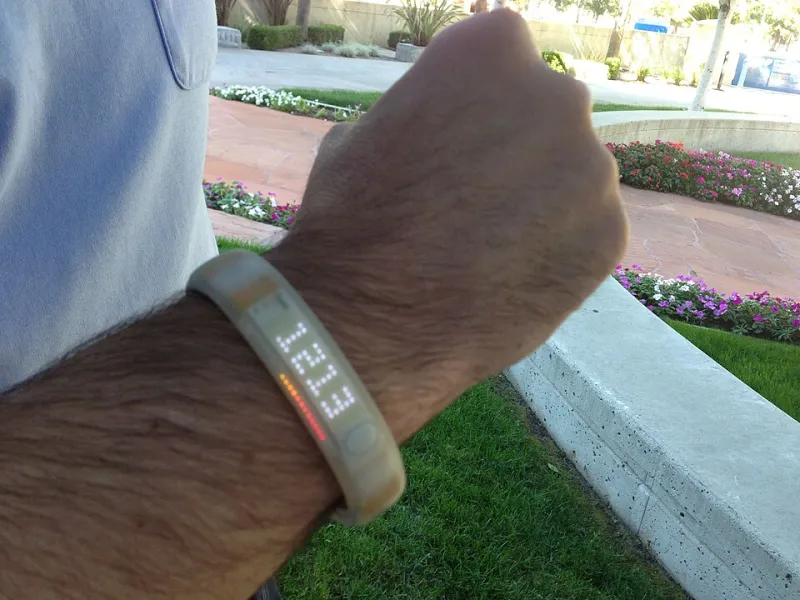
Photo: Dennis Sylvester Hurd from New Westminster, BC, Canada, CC0, via Wikimedia Commons
A pedometer is a small, honest piece of kit until the British weather and a coat pocket get involved. Drizzle, grit, lint, keys and the occasional accidental wash can all nudge a reliable step counter towards fantasy. The frustrating part is that the device rarely fails dramatically. It just starts overcounting on the bus, undercounting on a bumpy pavement or resetting halfway through a walk.
Reliable step tracking is not only about the sensor inside the case. It is about where you clip it, how you clean it, when you change the battery and whether you ever check it against a known walk. Think of these seven habits as basic maintenance for your daily numbers.
1. Treat the clip as part of the measurement
Placement is the first thing to get right. A pedometer works best when it sits firmly at the waistband or hip, close to the body, in the same spot each day. A device bouncing around in a loose coat pocket or swinging from a bag can pick up movement that is not walking. That is how you end up with 400 extra steps from a bumpy bus journey.
Check the clip tension now and then. If it slides down your waistband or lets the pedometer twist, the readings become less consistent. A small safety pin or a tighter clip can be enough to keep it steady.
2. Empty the pocket lint trap
Coat pockets are a habitat. Lint, grit, biscuit crumbs and the mysterious grey fluff of winter all find their way into clips and openings. A dry soft brush, such as a clean toothbrush, is usually enough to clear the clip mechanism and any exposed crevice. Do not poke sharp objects into sensor ports, and do not run the device under the tap unless the manufacturer specifically says it is safe to do so.
If you wear the pedometer on a waistband, give the clip a quick wipe after a muddy walk. Grit in the hinge can weaken the grip, and a loose pedometer is an inaccurate pedometer.
3. Dry it like a sensible walker, not a damp sock
If your pedometer gets wet, do not put it on a radiator, in an airing cupboard or anywhere hot. Heat can damage seals, screens and batteries. Wipe the outside with a dry cloth, remove it from a damp coat pocket and let it air dry at room temperature. If the battery compartment has been opened, check that the seal is clean and seated properly before closing it.
Water resistance ratings are useful, but they are not a licence to leave a pedometer in a soaking coat pocket for three days. Damp is patient. Dry your kit when you get home, especially in the drizzly months when a coat never seems to fully dry.
4. Change batteries before they become a mystery
A fading battery can cause missed steps, random resets or a display that behaves oddly. Keep a spare of the correct type and note when you last changed it. Do not store loose batteries in the same pocket as keys or coins. If the pedometer has a battery-saving mode, use it, but check that it does not wipe your daily total when it sleeps.
If you notice a sudden drop in counts after months of steady readings, a fresh battery is a sensible first test. It is cheaper than replacing a device that was simply running out of puff.
5. Calibrate with a counted walk
Once a month, do a simple calibration check. Clip the pedometer in its usual spot, count 100 or 200 steps by hand and compare the device reading. A small difference is normal. If the pedometer is out by more than about five per cent, check the placement, clean the clip, replace the battery and try again.
This is not about chasing perfection. It is about catching drift before it turns into a month of misleading step challenges. A pedometer that is consistently 10 per cent high is worse than a pedometer that is honest about its limits.
6. Keep a simple log of weirdness
You do not need a spreadsheet the size of a bus timetable. A note on your phone is enough: battery changed, dropped on the pavement, got soaked, started counting steps on the train. Patterns matter. If the same route suddenly reads 600 steps higher after a soaking, you have a useful clue rather than a vague suspicion.
This habit also helps when you are deciding whether to repair or replace. A device with a known history is easier to judge than one that has simply started acting strangely.
7. Know when it has earned retirement
A pedometer has earned retirement when the case is cracked, the clip no longer holds, the buttons stick, the battery drains within days or the counts remain erratic after cleaning, drying, a fresh battery and a calibration check. If replacement parts cost more than a simple new device, that is a practical signal too.
Recycle old electronics where you can rather than binning them with general waste. And resist the urge to keep using a faulty pedometer just because it is familiar. A step count you cannot trust is not a training tool; it is a random number with a clip.
Good care is not glamorous. It is a dry cloth, a spare battery and a two-minute counted walk. But those small habits are what keep your daily steps worth reading.