The Weekend Repayment Myth: Why Step Debt Makes Bad Maths for UK Walkers

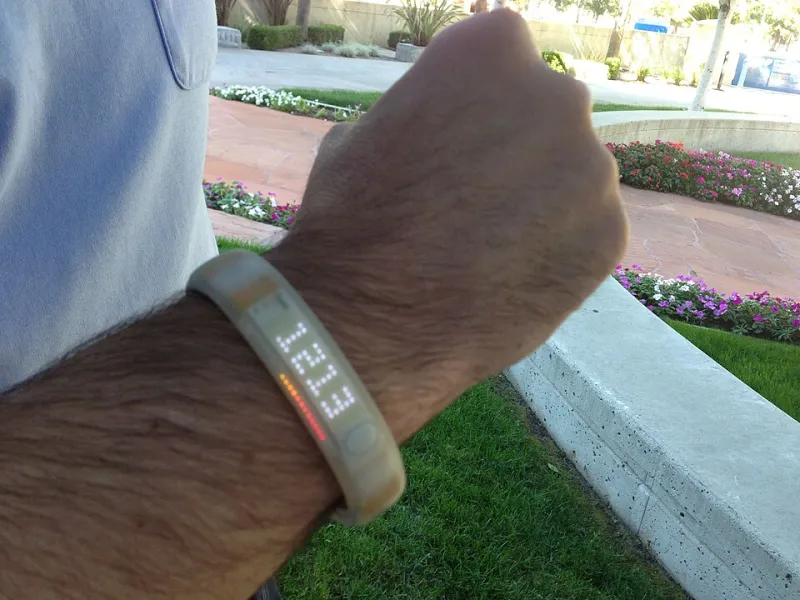
Photo: Colin, CC BY-SA 3.0, via Wikimedia Commons
It is a damp Tuesday in November. Your pedometer shows 3,200 steps, the rain has been horizontal since lunch, and you have already started doing the mental arithmetic: if I do 18,000 on Saturday, I will be back on track. It feels responsible. It feels like discipline. But it also treats your body like a current account that can be topped up after an overdraft.
The step debt metaphor is everywhere in fitness tracking. Miss a day, and the number becomes a deficit. Have a quiet week, and the weekend becomes a repayment window. Pedometers make this especially tempting because they turn movement into a ledger: daily totals, weekly averages, streaks and graphs. Yet the human body is not a bank. A low-step day is not a debt with interest attached. It is information.
Why the ledger feels so convincing
Step counters are brilliant at one thing: making the invisible visible. Before pedometers, a sluggish week might have felt vague. Now it has a number. That is useful. The trouble starts when the number becomes a moral scorecard rather than a measurement.
In the UK, the pattern is easy to fall into. Dark evenings arrive early, trains get delayed, children need collecting, and the office lunch break shrinks to ten minutes. A weekday total drops. By Friday, the gap looks enormous. Saturday dawns dry, so you lace up and attempt a heroic long walk on legs that have spent five days mostly sitting down. You hit the target, feel briefly virtuous, then spend Sunday stiff, sore and sedentary. Monday starts with another low number, and the cycle resets.
That is the step debt trap. It is not really about walking more. It is about walking in spikes.
The boom-and-bust problem
Boom-and-bust movement is common among people who are otherwise sensible about their health. The appeal is obvious: one big effort appears to solve several small shortfalls. But the body tends to respond better to rhythm than to rescue missions. A sudden weekend march after a sedentary week can leave you tired, achy and less likely to walk on Monday. If you are new to longer distances, or returning after a break, it can also increase the risk of blisters, knee niggles and the kind of general soreness that makes you want to bin the pedometer altogether.
There is a social pressure here too. Step challenges often reward the biggest single-day totals, and leaderboards make a quiet Wednesday look like failure. But most people who finish a challenge well are not the ones who produce one enormous weekend. They are the ones who keep turning up.
A better question than how do I catch up?
Instead of asking how to repay the missing steps, ask what the low day was telling you. Was it poor sleep? A packed commute? Pain in your hip? A miserable forecast? A day of caring responsibilities? The answer changes the response.
If you simply had a busy day, the fix might be a short walk at lunchtime or getting off the bus a stop earlier. If you were unwell, the fix is recovery, not repayment. If the week was unusually chaotic, the sensible move is to lower the bar for a few days, not raise it dramatically at the weekend.
A rolling seven-day view is far more useful than a daily balance sheet. If your rough target is 7,000 steps a day, that is about 49,000 across the week. One 2,500-step Tuesday does not automatically require a 12,000-step Wednesday. You can let the weekly picture absorb some variation. The aim is a steady range you can sustain, not a perfectly balanced account.
The recovery walk, not the repayment march
A recovery walk is deliberately unheroic. It is short, easy and designed to restore rhythm rather than settle a score. Think ten to twenty minutes on flat ground at a conversational pace. If daylight is available, use it. If not, choose a well-lit loop and wear something visible. The point is not to burn off yesterday. The point is to remind your legs that walking is a normal part of the day.
After a low-step spell, try this: pick the next day that looks manageable and do a gentle walk with no pace target. Leave the step count alone until the evening. Then look at the weekly trend rather than the single day. If you have three low days in a row because of illness or stress, do not invent a weekend penalty. Return to normal gradually.
Pedometer data works best as a compass, not a debt collector. It can show you that your weekday walking has quietly collapsed, or that your weekends are doing all the heavy lifting. Those are useful patterns. They are not bills to be paid.
Make the numbers useful without letting them boss you
A few practical rules help. Set a floor rather than a hero target: for example, a minimum of 3,000 steps on genuinely busy days, with a weekly range you aim for most weeks. Look at seven-day averages instead of daily shortfalls. Add a note to your tracker if you were ill, travelling or caring for someone, so the number has context. And if you run a workplace step challenge, reward consistency as well as total distance. A most-consistent-walker award is often more motivating than a leaderboard that encourages one frantic Saturday.
As 2026 heads deeper into winter, the temptation to save up steps for dry weekends will grow. Resist it. A short walk in the drizzle on Wednesday is usually worth more than a punishing march on Saturday. You do not owe yesterday a repayment. You owe tomorrow a routine you can actually keep. Step further, walk smarter, feel better.